Marzena Ugorna Farm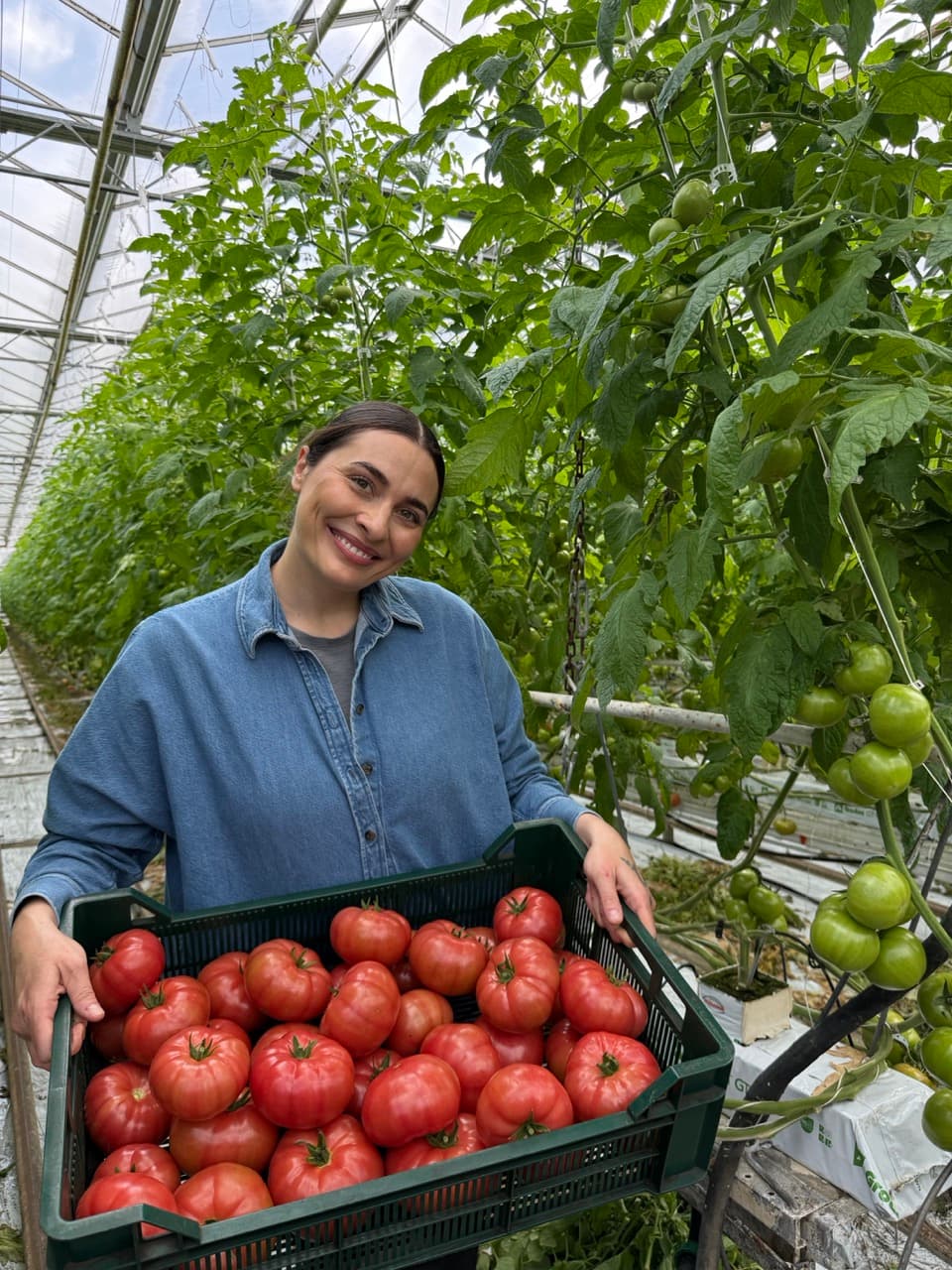
Consistency matters more than single-occasion quality
For a restaurant, one exceptional tomato means nothing if the next delivery is mediocre. The most important quality of a professional tomato supplier is consistency — the ability to deliver the same size, ripeness and flavour across every order, week after week.
This is harder than it sounds. It requires a grower who manages their greenhouse carefully, harvests to a consistent standard and is honest about availability. It also requires the kitchen to communicate its needs clearly to the grower.
Variety selection for culinary purpose
Different tomato varieties serve different culinary purposes. A chef who uses a single variety for all applications is either limited in their sourcing or not thinking carefully about the ingredient.
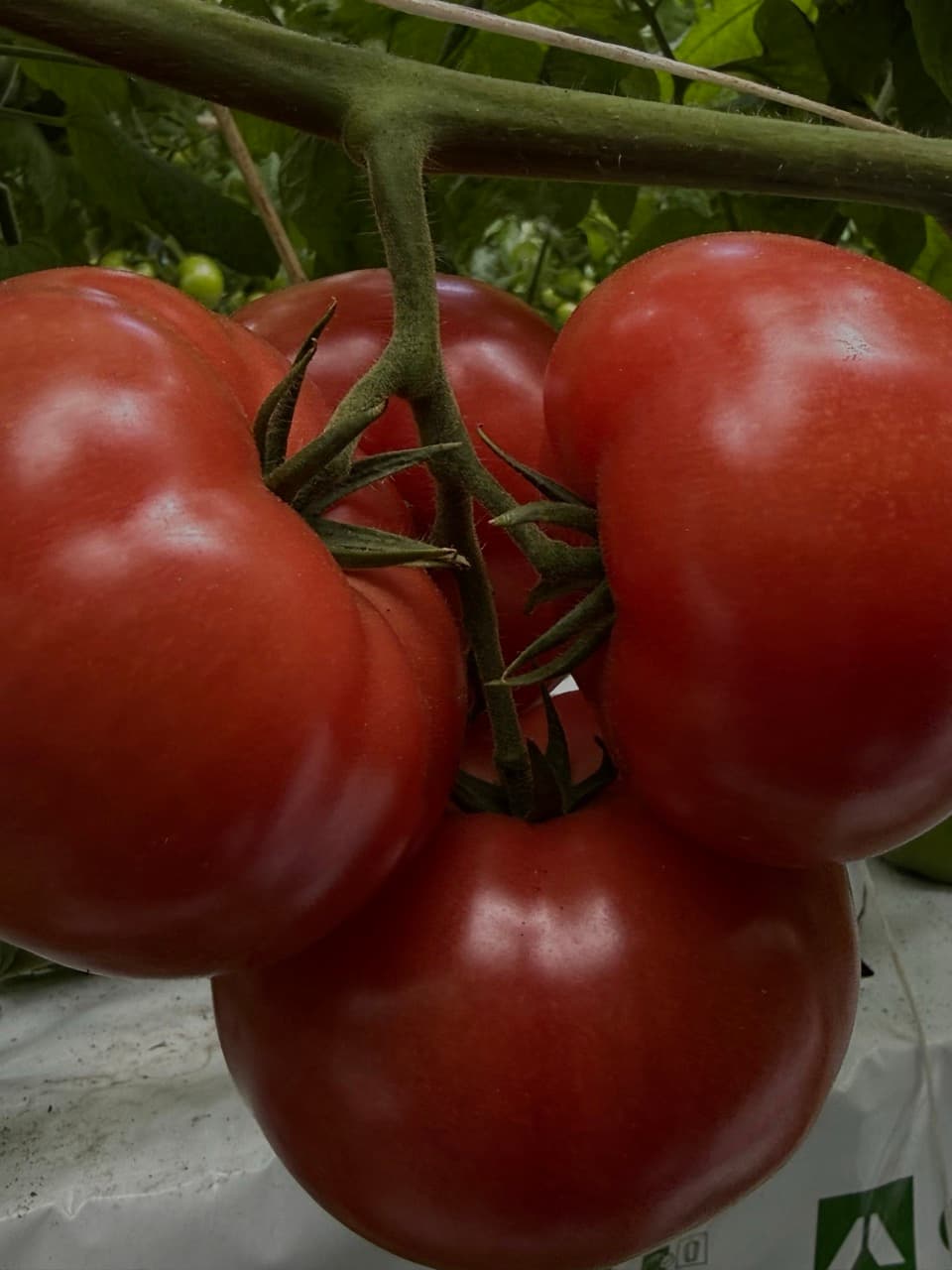
Malinowe tomatoes are ideal for raw preparations — salads, garnishes, simple starters — where their flavour, aroma and appearance can be appreciated without interference. Cluster tomatoes (koktajlowe) are ideal for garnishing and small-plate compositions. Round, classic varieties are better suited for sauces, roasting and preparations where appearance is secondary to yield.
- Malinowe: raw salads, garnish, simple starters, cheese plates
- Cluster/cocktail: garnish, tasting menus, raw preparations
- Classic round: sauces, roasted preparations, stocks
- Cherry: amuse-bouche, small plates, preserved
The harvest date question
A simple question that separates serious suppliers from the rest: when was this harvested? A supplier who cannot answer this question does not know their product well enough to guarantee quality.
For kitchen planning purposes, knowing the harvest date allows you to schedule the use of a delivery appropriately. A tomato harvested two days ago and delivered tomorrow can be served raw. One harvested five days ago is better suited to cooked applications where some degradation in texture is acceptable.
The value of a direct relationship
The most significant improvement most restaurant kitchens can make to their produce sourcing is to establish direct relationships with two or three specialist producers, rather than relying entirely on general distributors.
A direct relationship with a tomato grower means you can specify your requirements — variety, size, ripeness level, packaging — and receive consistent delivery against those specifications. You also have a direct line of communication when something is not right, which is not possible with a large distributor.
Red flags when choosing a tomato supplier
Be cautious of suppliers who cannot specify where their tomatoes are grown, who offer unrealistically low prices year-round, or who promise the same quality in January as in August. Seasonal reality and honest communication are signs of a quality supplier.
- Cannot specify farm location or harvest date
- Identical pricing year-round regardless of season
- No variation between varieties — everything tastes similar
- Tomatoes arrive already overripe or with cracking
- No willingness to adjust based on kitchen feedback
Frequently asked questions
- How should restaurants arrange direct supply from a greenhouse near Kalisz?
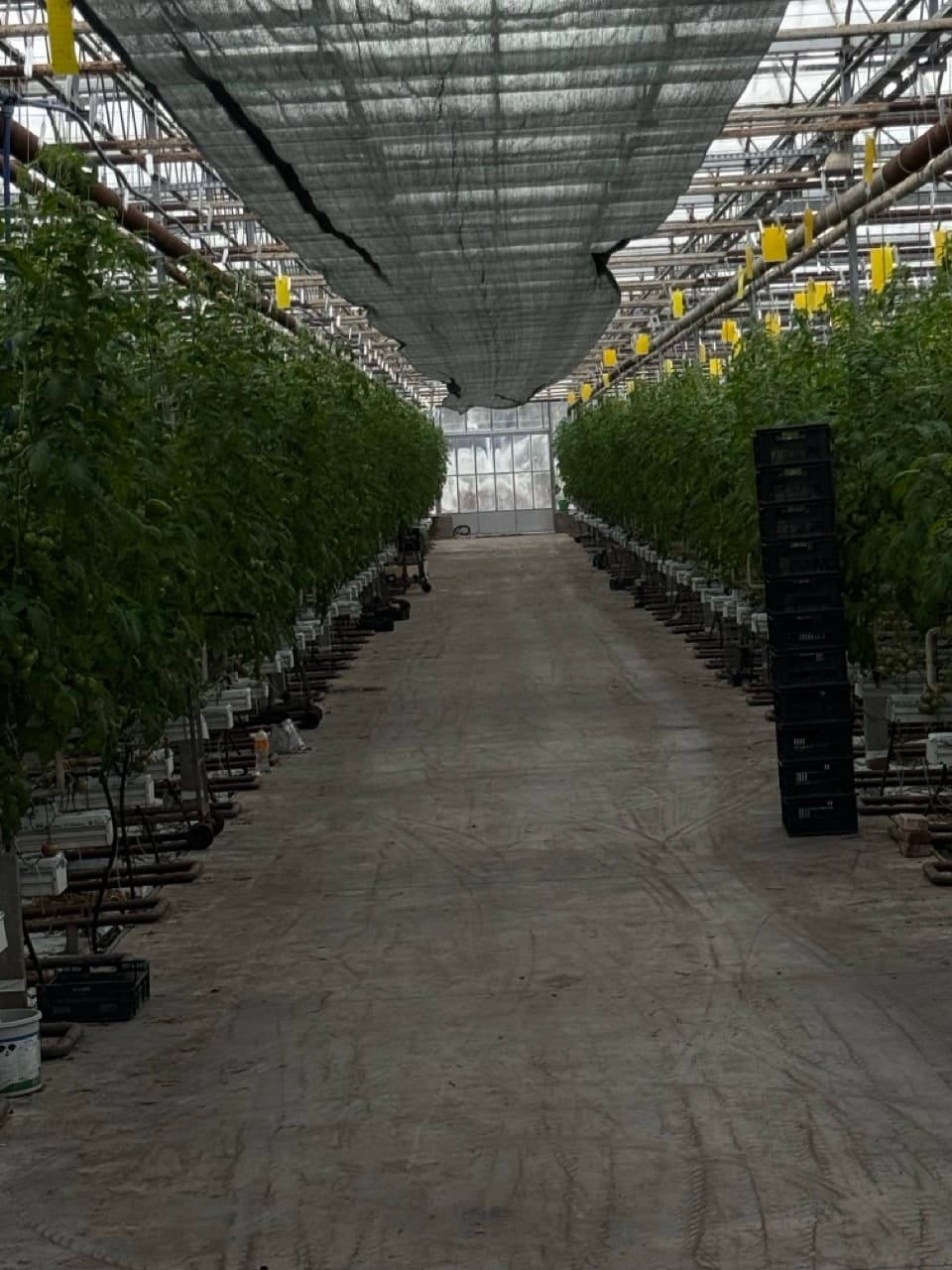
- Contact the grower directly to discuss your requirements — variety, volume, delivery frequency and packaging. Most small greenhouse operations can accommodate restaurant schedules if given reasonable lead time. Expect a conversation about minimums and seasonal availability. A farm visit is always worthwhile before committing to a supply arrangement.
- What is a reasonable delivery frequency for restaurant tomato supply?
- For most restaurants, 2–3 deliveries per week is appropriate for fresh tomatoes. This balances freshness with practical logistics. Very high-volume kitchens may require daily delivery for raw-application tomatoes, with larger orders for cooking tomatoes.
- How do we ensure consistent quality across deliveries?
- Clear specification from the kitchen and reliable communication with the grower. When a delivery does not meet expectations, communicate immediately — good growers will adjust. Build a relationship where both parties feel responsible for the outcome.
Contact us to discuss tomato supply for your restaurant or professional kitchen.
Get in touch →